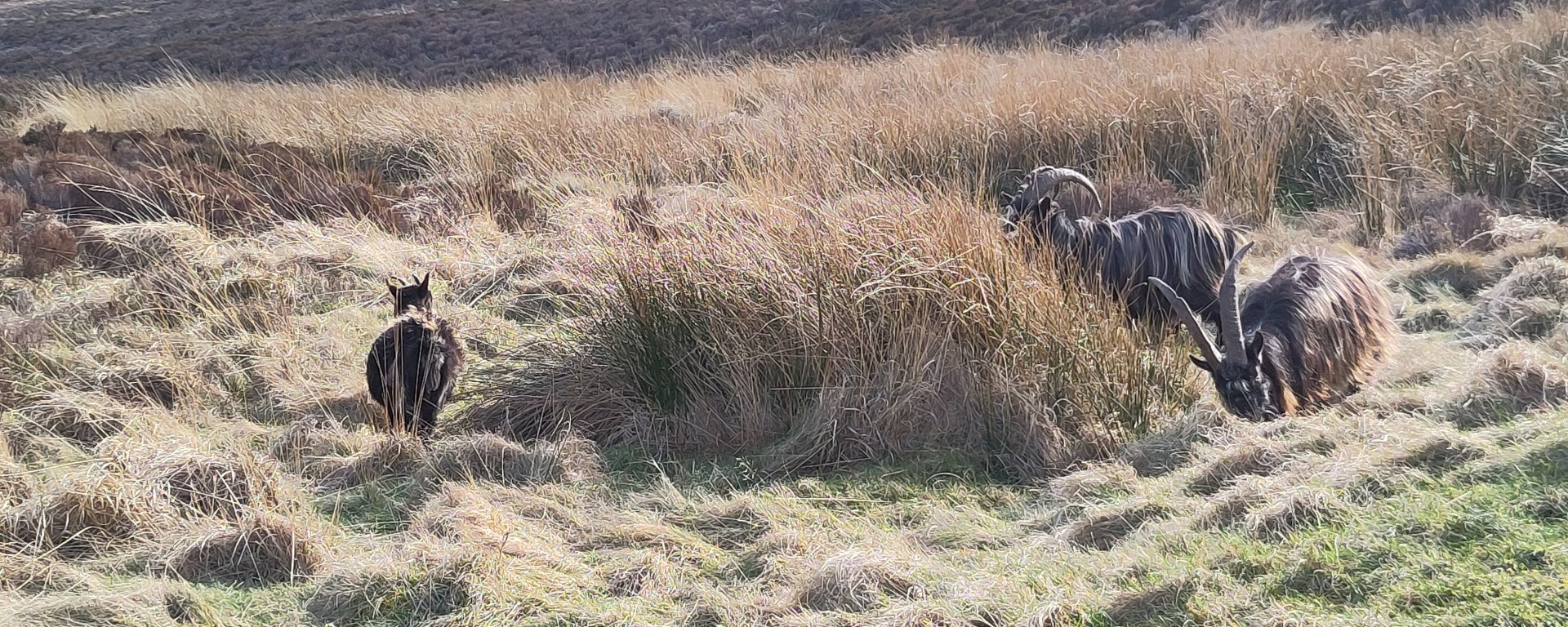
After a run of days stuck in an LED-lit hospital, my only outlet a well-worn, oft-dark and oft-drizzly suburban commute, I couldn’t believe my luck. On my day off the air was warm but the breeze was cool, an unusual combination for our part of the world at any time of year, and perhaps the consequence of an equally unusual Saharan wind. Perfect riding conditions for a day in the Tarras Valley Nature Reserve, on the very eastern border of Dumfries & Galloway.
Straight off the train at Gretna Green, and the sky was so crisp and so blue that the tall boughs of trees in relief against it seemed to pop off the page. Though it seems just a week ago the daffodils and crocuses were still in hiding, today I could comfortably take my gloves off and enjoy the breeze between my knuckles and the texture of the bar tape beneath my palms. That’s one of the big joys of being on a bike, in my humble opinion.
We were headed onto some back roads in the Esk valley, which is a total playground for outdoor enthusiasts on two pedals. We followed the course of the Esk, a graceful, wide and attractive river flanked by some seriously dingly woodland trails that feel like they might have existed undisturbed for millennia, replete with kooky voodoo stone carvings.
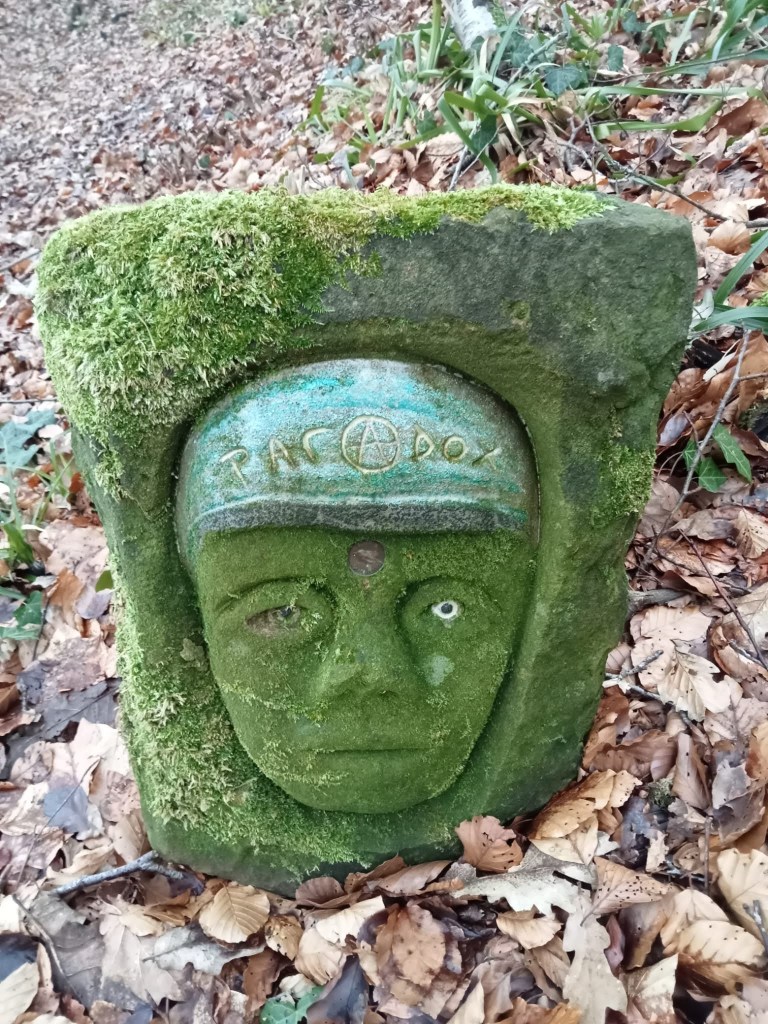
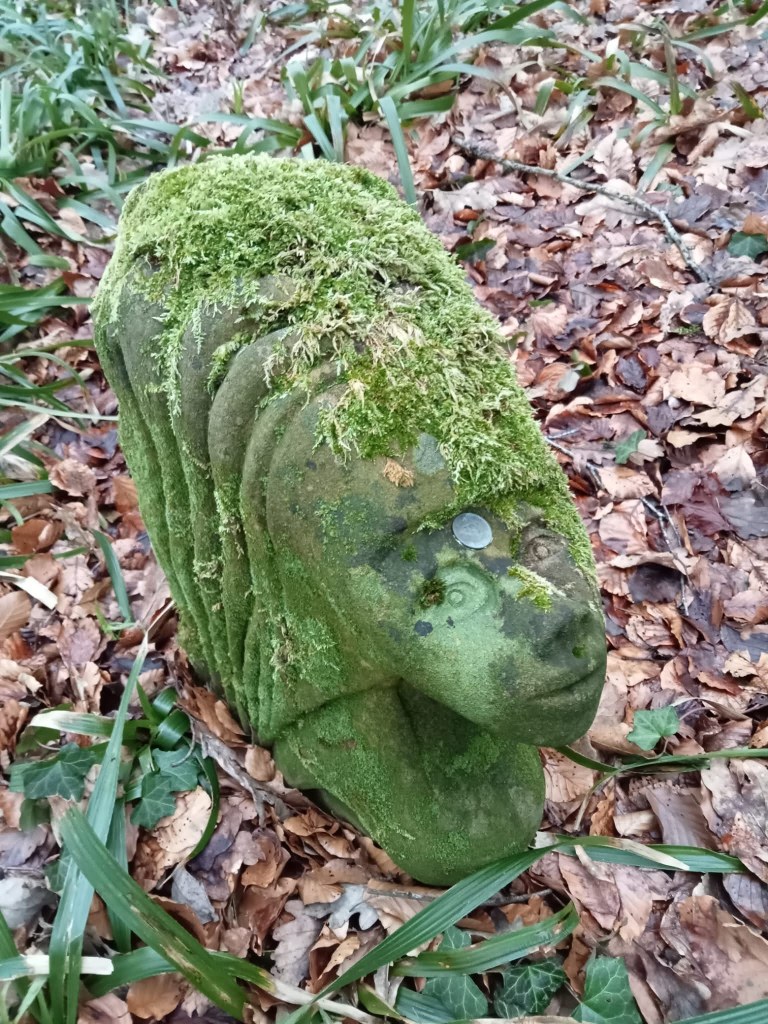
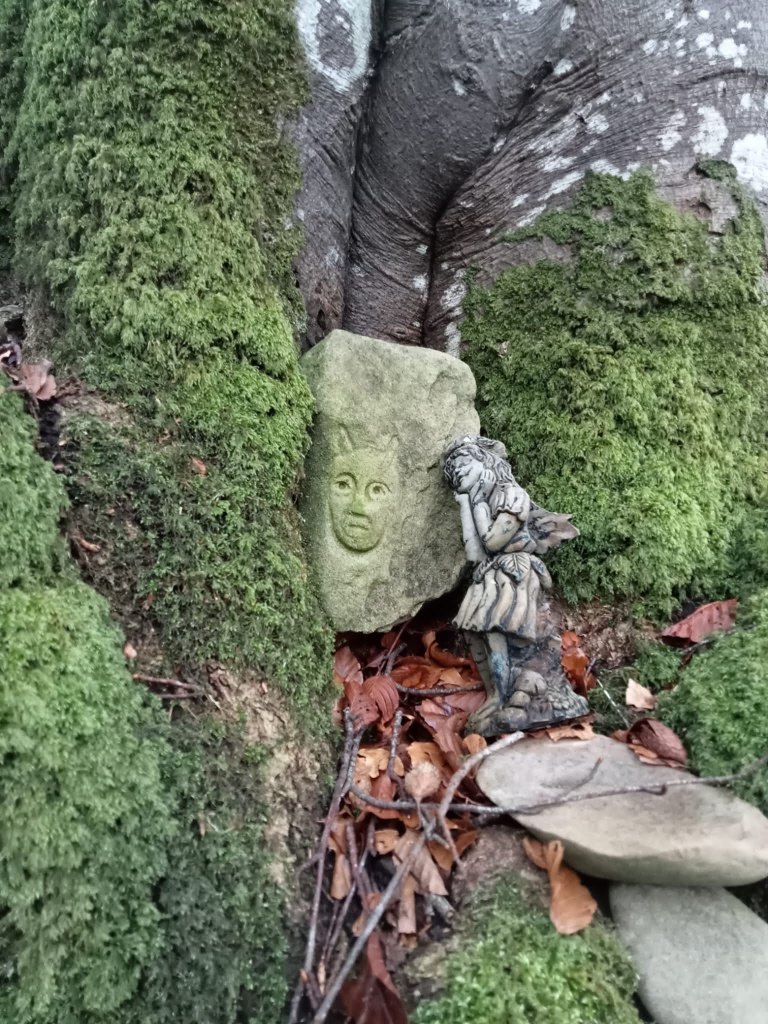
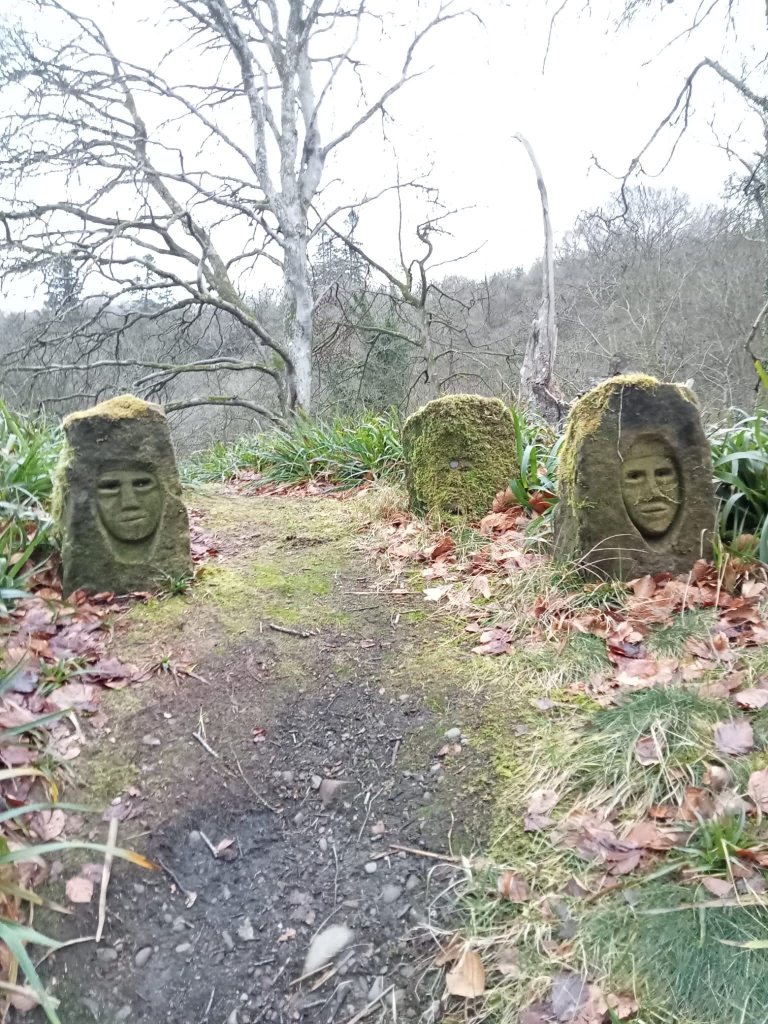
After a pit stop in Langholm’s main cafe (4/5 for oat milk flat white, 2/5 for vegan food, 5/5 for community building) we set off for our main destination: to visit the Nature Reserve and it’s sometimes elusive but always enigmatic celebrity inhabitants – the wild goats.
Tarras Valley Nature Reserve was established in 2019 as a community buy-out of several thousand acres of land above the town of Langholm. The group have achieved amazing feats of nature restoration in 6 short years and the change is stark; before the boundary wall at Malcolm’s monument the hillside is a monocrop of short grass, but beyond it the upland panorama explodes with heathers and grasses in mesmerising purples and golds; denser brackens and lichen-bleached stones help camouflage the goats that call this place their home.
While we had hoped with crossed fingers to encounter our favourite of Tarras Valley’s inhabitants, we had not expected to be UNDER SIEGE by them. The warm weather had brought them out in force! And within sniffing distance of the road. When I say sniffing distance I am of course referring to the male goat’s virile pungency, which smells – you guessed it – just like goat’s cheese. (It was mild and fresh today, lacking acridity. Very civilised).
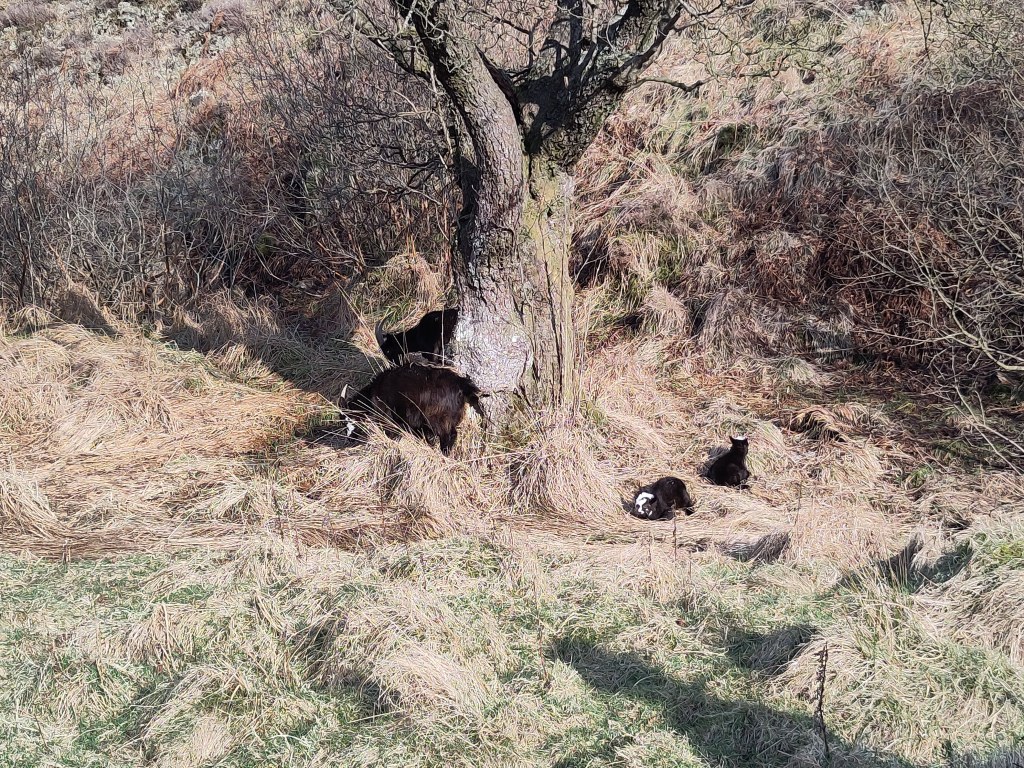
The wild goats have majestic tall horns that curl lazily behind them like the handlebars of a Raleigh Chopper and look like they could be made of bronze, especially when illuminated by the warm early spring sun. Their deep amber irises and letterbox-shaped pupils give them an air of regality and wisdom, even aloofness, perhaps? Or maybe it’s the beards that give that impression. They are really majestic animals. And that’s before I get onto the BABIES! With kind, relenting square faces, perfectly flat backs like a cow, and the easy canter of those who know nothing yet of the creak of stiff joints first thing of a morning. We came upon a nursery of two adult females and two young kids, delicately picking their way like connoisseurs through the array of ground foliage and then folding themselves to rest in the shade of a tree and it was HEARTWARMING.
We turned onto a dead end valley road, the location of which will remain top secret because it’s so nice. A lazy river with excellent roadside campover / wild douking potential. At the end of the trail were some inviting hills that I think require closer inspection with a few more hours of daylight and sturdier walking shoes.
I always feel tjhat when the sun shines on Dumfries and Galloway, it does so warmly. The afternoon heat could have fooled us that we had hours yet to play with, but the gangly three o’clock shadows gave the game away. The fading afternoon light couldn’t have been a more perfect way to experience the single track, near-deserted back roads to Gretna Green. A time of day when nature does it’s final mad dashes for sustenance, when curlews trill out their triumphant ballads and starlings start warming up for their stunningly choreographed sunset salutation.
We arrived at the train station just in time for a blazingly exotic pink-orange sunset (thanks also to that Saharan sand, apparently). When the world at large seems unpredictable and like it’s going bananas, it can do one good to pay attention to our more dependable rhythms, don’t you think?
March 4, 2026
 Two Pedals